
Malcolm Gladwell’s podcast, Revisionist History [🔗Spotify], and his books are all highly entertaining. He has a knack for finding interesting stories, linking them to seemingly-unrelated stories, demonstrating certain common phenomena, and sharing it all through really entertaining storytelling. Malcolm’s work is sometimes criticised for confirmation bias and simplification, but whether that’s fair or not, his work is still entertaining and there are still ideas that are fascinating to think about.
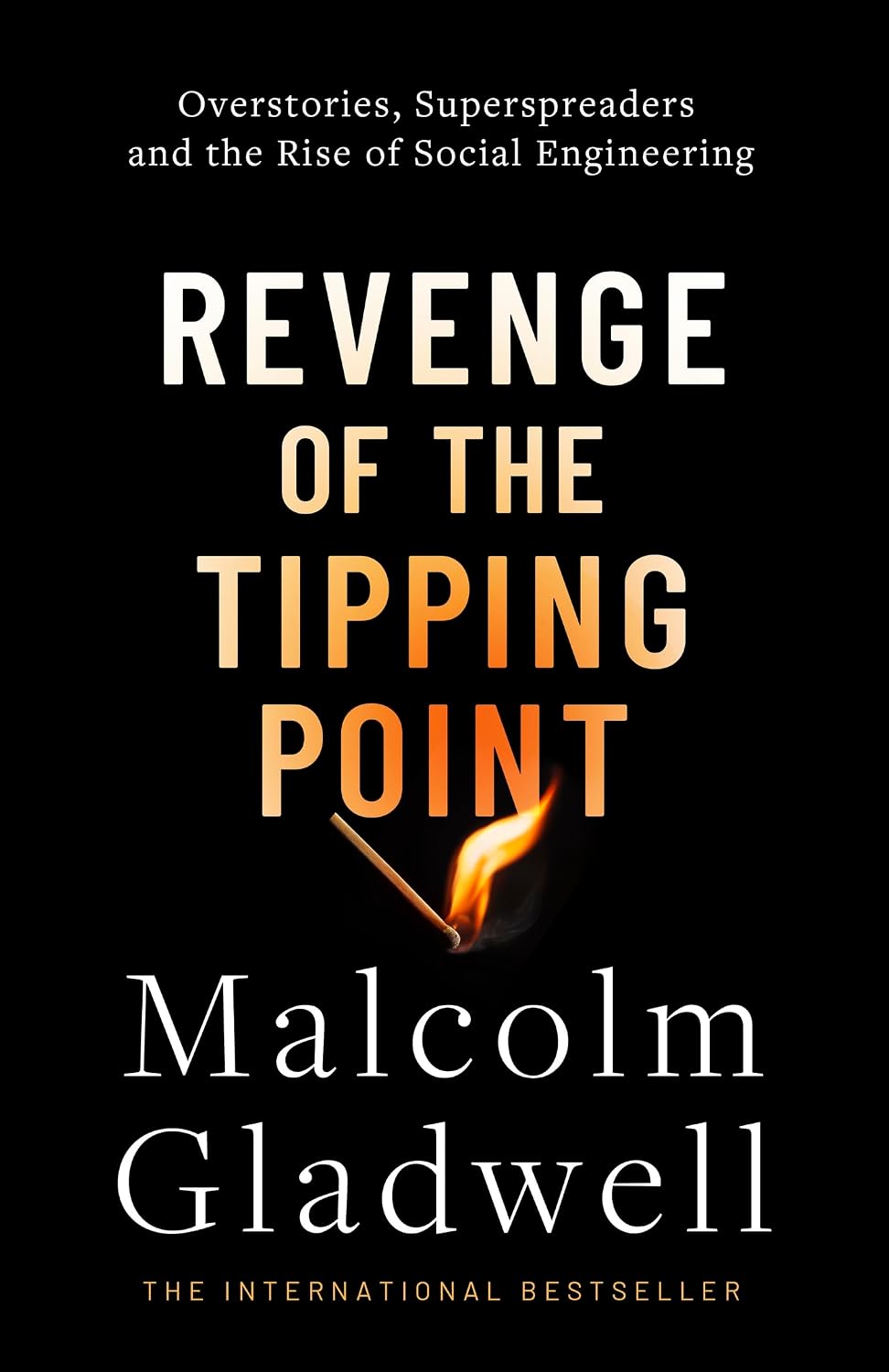
And so I’ve just finished reading Revenge of the Tipping Point (2024) and it has prompted some thinking about my main subject of interest, the climate and nature crises.
Revenge zooms in on apparent tipping points for social epidemics: bank robberies, Medicare fraud, an unnamed community’s sudden increase in school student suicides, ‘The Magic Threshold’ theory which relates to ratios of population cohorts within a wider population and its affects the wider population’s behaviour, Covid-19, marriage equality, and America’s opioid epidemic. I don’t have the expertise or time to explore any of these individual topics further, so I’ll take it on face value that Malcolm’s analyses and conclusions are at least broadly on track.
What I’m interested in is, How do we get communities behind ambitious action to mitigate and adapt to the climate crisis, and to stop and reverse the degradation of nature, in a way and to such an extent that genuine democracy overpowers the influence of extractive and polluting industries to drive public policy decisions?
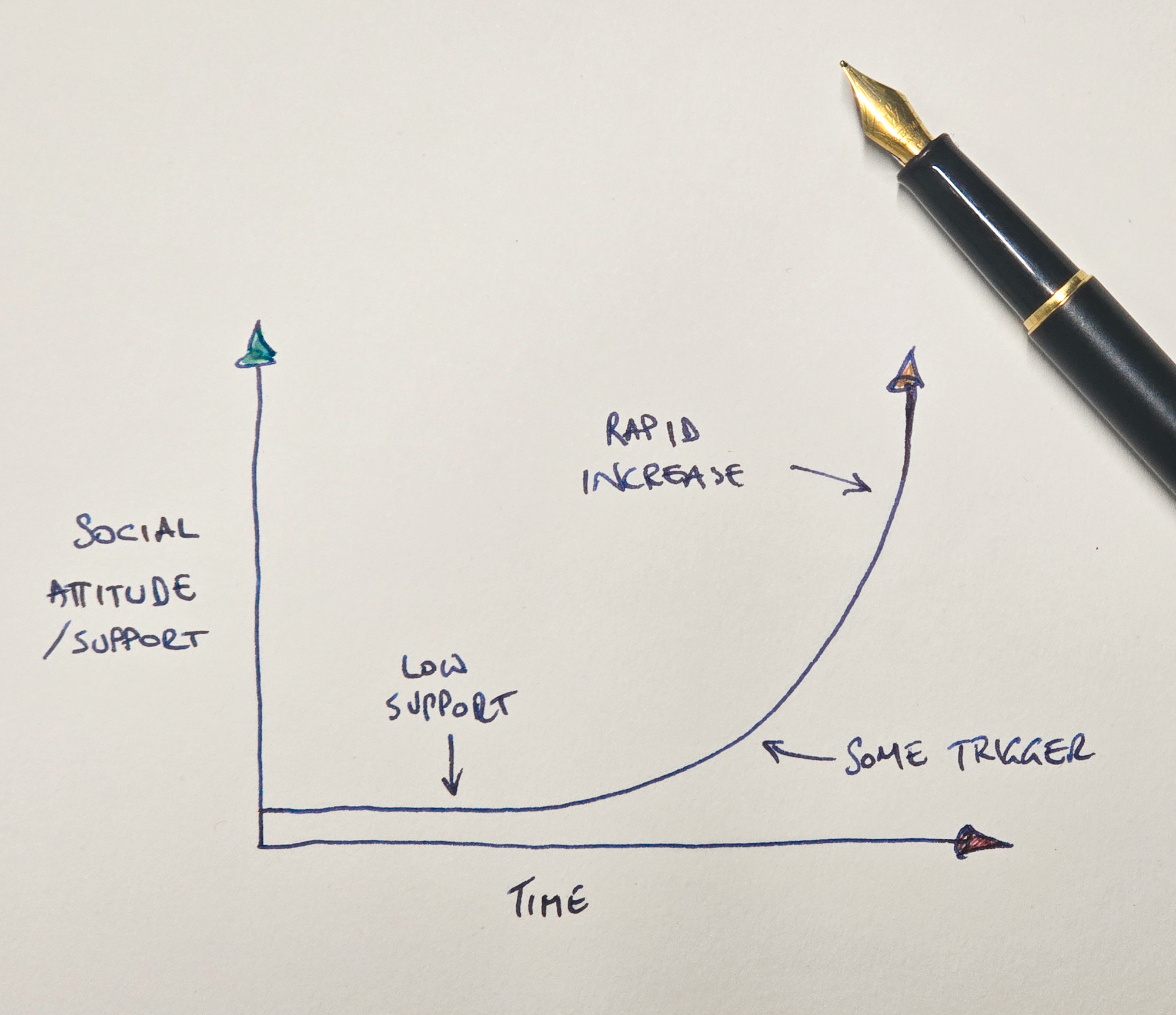
The social examples that Malcolm uses teach us very little about rallying public support for sustainability causes. His examples relate to far more immediate issues: the immediate or short-term well-being of students, minorities, Covid patients, and others, plus the finances of banks and governments that serve us all.
Any attempt to apply the tipping points he found to social responses to the climate and nature crises simply cannot work because:
- The risks from the climate and nature crises seem, and often are, distant in time and/or geography, so the evolutionary psychology at play is entirely different.
- Tipping points that do exist, like the acceleration of the EV market (which Gladwell cites in a podcast about tackling climate despondency) result from technological and market changes, rather than social, attitudinal or policy changes.
- Tipping points, like the EV market, are very few, and they make barely a dent on the economy’s total greenhouse gas emissions and footprint of extracting nature.
- We already know that a majority of people want more action to tackle the degradation of nature and the climate crisis, but the influence of extractive industries on major party and populist politics remains overwhelmingly toxic.
If you are looking at Malcolm’s work for ideas about how to engage the public on climate change and nature, then you have the right idea: We have to understand our underlying psychology, how it affects people’s attitudes towards these issues and, crucially, how it affects whether and how people act on these issues and what they expect from political and corporate decision-makers.
However, Malcolm’s work offers little more than a nice break from working on those heavy subjects. It’s interesting and fun and still worth reading, but it’s not helpful for tackling the political licence for ambitious action on the climate and nature crises.
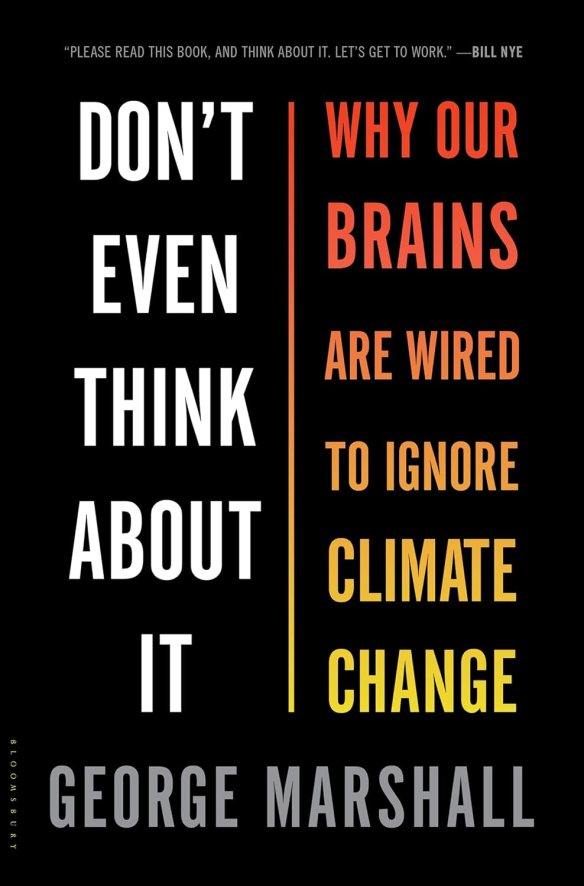
Instead, read George Marshall’s seminal, vital book, Don’t Even Think About It: Why Our Brains Are Wired to Ignore Climate Change, and publications from evidence-based climate communications organisations, like Climate Outreach and the Monash Climate Communication Hub.
 Dr Nathan J Ross MVO